
Common Signage Mistakes & How to Avoid
Expert Tips for Creating Effective Business Signs That Drive Results
Your business sign is often the first impression customers have of your brand. Poor signage design can cost you visibility, credibility, and revenue. At Pegasus Signs & Printing, we’ve worked with hundreds of Burleson and DFW businesses to transform signage into powerful marketing assets. Research shows 60% of companies experienced average revenue growth of 10% or more after upgrading signage. Whether you’re designing channel letters, monument signs, vinyl wraps, or banners, understanding common mistakes will help you create signs that drive real results.
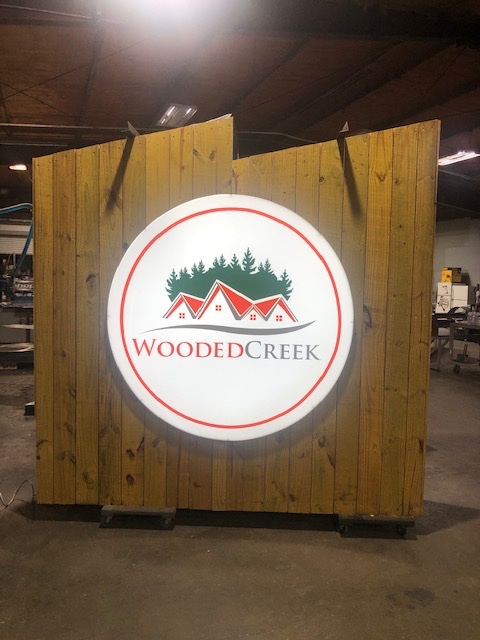
Design, Placement & Materials: A Complete Guide to Effective Signage
Creating effective signage requires more than just good intentions. It demands careful attention to design principles, strategic positioning, and material selection. Let’s explore the mistakes that undermine signage success—and how to fix them.
Mistake #1: Choosing Fonts That Are Difficult to Read
Overly decorative, extremely thin, or condensed fonts look creative on screens but fail in real-world conditions. They become nearly illegible from a distance or in poor lighting—especially problematic for outdoor signage under bright Texas sun or along busy I-35W corridors where drivers have only seconds to read your message.
How to Avoid It: Choose clean, bold, legible sans-serif fonts like Arial, Helvetica, or Futura. Reserve decorative fonts only for short, impactful phrases. Always test your design at various distances and under different lighting conditions. Remember: readability beats creativity every time.
Mistake #2: Poor Color Contrast & Visibility Problems
Low-contrast color combinations silently undermine signage effectiveness. Light gray text on white background, or dark blue on black—even beautiful color schemes fail without strong visual contrast.
How to Avoid It: Stick to high-contrast combinations. Black text on white or yellow backgrounds remains the gold standard for readability. If your brand colors are low-contrast, use them as accents and reserve primary text for high-contrast combinations. Test your choices with people unrelated to your business to ensure they can read your message from 15-20 feet away.
Mistake #3: Cluttering Signs with Too Much Information
More text isn’t better. Signs crammed with information, graphics, and images overwhelm viewers. Potential customers won’t stop to decipher cluttered messages. Each sign should have one focused purpose.
How to Avoid It: Keep messages concise—no more than 5-6 words per line and 2-3 lines maximum. Include only essentials: business name, call-to-action, and contact details. Use white space strategically to let design elements “breathe” and improve appeal. Think of your sign as a headline, not a newspaper article.
Mistake #4: Improper Placement & Location Issues
Even perfect signs fail if nobody sees them. Signs behind trees or furniture are invisible. Placement at wrong height, angle, or distance reduces effectiveness significantly.
How to Avoid It: Position signs where people naturally look—at eye level for interior signage. Place them at key decision points: building entrances, high-traffic intersections, parking approaches, and major walkways. For I-35W visibility, ensure your signage is visible from the highway at safe viewing distances. Make highway-facing signs larger and simpler than pedestrian signs.
Mistake #5: Choosing the Wrong Materials for Your Environment
Temporary indoor materials won’t withstand Texas heat, humidity, and intense sun. Outdoor signage requires UV-resistant, weather-durable materials. Wrong substrate choices lead to premature fading, peeling, cracking, and costly replacements.
How to Avoid It: Consider your environment carefully. For outdoor signage, invest in materials designed for Texas heat, afternoon sun, and weather exposure. High-quality vinyl, aluminum, and protective coatings ensure longevity. Discuss your location and climate considerations with a professional signage provider who understands DFW conditions. Quality material investment saves money long-term.
Bonus Mistake: Ignoring Local Regulations & Poor Maintenance
Businesses often forget that Burleson and DFW communities have signage regulations regarding size, lighting, placement, and content. Violations result in fines and required removal. Faded, cracked, or dirty signs also damage professional image.
How to Avoid It: Research local zoning laws before installing any signage. Consult with local authorities or a professional signage company to ensure compliance. Once installed, inspect signs monthly and clean regularly. Schedule repairs promptly to maintain a professional appearance reflecting your business quality.
Partner with Pegasus Signs & Printing for Results-Driven Signage
Creating effective signage requires strategic thinking, quality design, and expert execution. At Pegasus Signs & Printing, we specialize in custom signage solutions that transform business visibility. From channel letters and monument signs to vinyl wraps and banners, we craft signs that reflect your brand’s quality and drive real results.
We understand businesses’ unique needs. Our team guides you through every step—from design consultation to installation—ensuring your signage becomes a genuine business asset. Whether you’re refreshing an outdated sign, launching a business, or expanding visibility, let Pegasus Signs & Printing create signage that makes a lasting impression.
Ready to create signage that truly works for your business? Contact Pegasus Signs & Printing today for a free consultation. Let’s craft custom signage solutions that elevate your brand and drive results.